Traditional gender-role code
The House of Bernarda AlbaThe Traditional gender-role code in The House of Bernarda Alba confines women to domestic work and obedience while reserving greater freedom and authority for men. Bernarda voices the division as a rule of everyday life, and her orders turn mourning, sewing, and marriage preparation into instruments for enforcing it within the household.
Definition and Social Setting
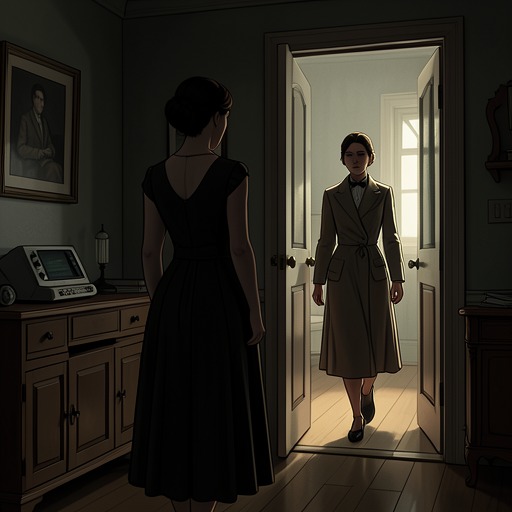
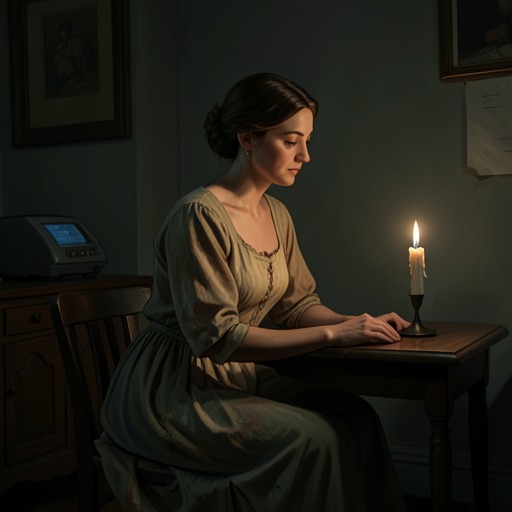
The play situates this code in a rural community where women’s domestic role is presented as customary rather than exceptional. The daughters sew and embroider, while the men move more freely outside the home. The work’s commentary notes that long mourning periods and the division between men and women were features of Spanish village life, making the family’s arrangements part of a broader social pattern rather than an isolated household eccentricity.
Bernarda’s formulation is blunt: “A needle and thread for women. A whip and a mule for men.” The contrast assigns women repetitive, indoor labor and associates men with movement and command. She adds that this is how life works for people with means, connecting gender roles to privilege: her authority over her daughters is backed by the household’s wealth and status.
Enforcement in the Household
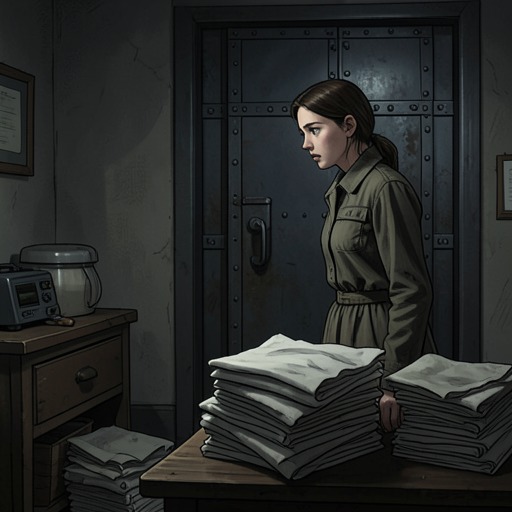
After her husband’s death, Bernarda declares an eight-year mourning period and says that wind from the street must not enter the house. She tells the daughters to imagine the doors and windows bricked up and directs them to begin embroidering their trousseaus. Twenty pieces of linen are ready in a chest for sheets, and Magdalena is assigned the embroidery. Mourning thus becomes more than a period of grief: it encloses the women and channels their time into preparation for marriage.
Bernarda’s command that “Here you’ll do what I say” makes obedience explicit. The daughters cannot take their complaints to their father, and Magdalena’s response that it is all the same to her registers resignation rather than choice. Adela counters that Magdalena should leave the others’ trousseaus plain if she does not want to embroider them, but this brief protest does not alter the order governing the household.
The same code follows the daughters from their unmarried lives into marriage. Bernarda instructs Angustias to speak when her future husband speaks and look at him when he looks at her. The advice makes a wife’s deference part of the expected domestic arrangement, extending the rule from the needlework of the daughters’ present to their anticipated obedience as wives.
Gender, Class, and Social Order
The code is bound to a hierarchy in which women’s labor sustains the family while authority and mobility remain unevenly distributed. The daughters’ sewing and preparation of household linen occupy them inside the home; Bernarda, meanwhile, controls the family’s resources and dictates how their work is organized. Her purchase of furniture for Angustias’s marriage, including a wardrobe that cost sixteen thousand reales, demonstrates the household’s means, but it does not give the daughters greater control over their lives.
The play’s commentary places Bernarda’s attitudes against the early years of the Second Spanish Republic, when a left-wing government attempted to improve women’s status, and the subsequent return of the Right to power in 1933, which undermined those efforts. Bernarda embodies the traditional position that women belong in the home. The code is therefore presented not only as a family custom but as part of a wider social struggle over women’s roles.
Significance
The household rule reproduces itself through ordinary tasks and expectations: the daughters sew, prepare linens, mourn indoors, and are taught to defer to husbands. Its force lies partly in its presentation as common sense. Bernarda enforces it directly, while the familiar rhythms of domestic life make the unequal division appear inherited and inevitable.
The play also shows the cost of treating this order as natural. The daughters acknowledge the greater freedom enjoyed by men even as they are confined to domestic life, and the recurring work of sewing cannot resolve the tension between their restricted circumstances and the choices expected of them. By placing an authoritarian mother in charge of enforcing women’s subordination, the drama shows how gender hierarchy can be maintained within the home as well as by the society beyond it.